

Our week in Tarn was very enjoyable. By the end of it, I felt that we had really got to know the region. One thing that struck me was how rich the area still seemed to be with insects, something we do not see nearly as much in Malta.
At night, while driving, we saw countless insects illuminated in the headlights of the car. When we returned to the house, we found that the swimming pool was often full of insects that had fallen into the water, particularly ladybirds. Gabriel and I took the time to remove as many of them as we could.
One might be tempted to think, Thank God we do not have so many insects in Malta. Yet that would be the wrong way of looking at it. Insects are not simply cockroaches and other creatures we consider pests. They are an essential part of the natural world. Bees are perhaps the insects most people immediately think of because of their importance in pollination, but many other insects also play important roles in ecosystems. They are food for birds and other animals, while some help pollinate flowers and crops.
This made me reflect on what I have noticed in Malta. When I was younger, I used to collect insects, and later, when I became interested in macro photography, I spent a great deal of time looking for them. Even then, I do not remember seeing the abundance of insects that I encountered in France. Today, I have the impression that there has been a decline in many species, not only during the summer but also in spring. We are fortunate that we still see bees and butterflies, but I cannot help feeling that other insects have become less common.


Of course, this is only my personal observation, not a scientific study. Still, sometimes our own experiences can make us pay closer attention to changes taking place around us.
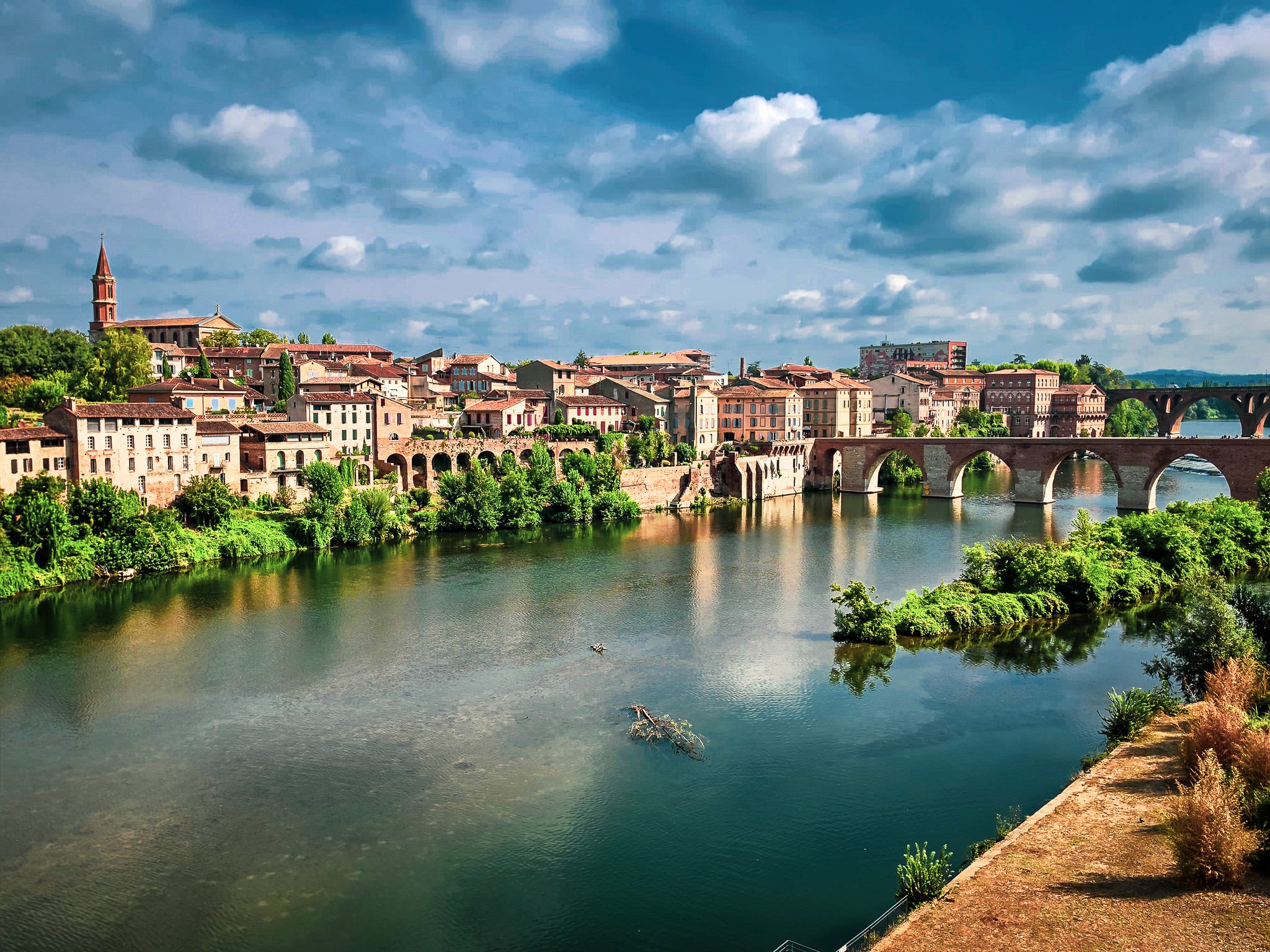
The Tarn region, like so many parts of France, is also rich in history. The centre of almost every town we visited seemed to contain medieval buildings, while beyond the towns we found villages that looked as though they had been taken from the pages of a Tolkien book. They were simply beautiful places to explore.
Naturally, I found myself comparing France with Malta, a country I deeply love. The architecture is different, as is the way towns and villages have developed over centuries. I remember commenting to my father-in-law that this was one of the few holidays I had experienced in a region that did not seem overwhelmed by tourists. He agreed. The motorway leading towards Tarn was full of cars, yet somehow this did not seem to be reflected in the towns and villages we visited. Perhaps the visitors were spread throughout the region, but we were able to explore without feeling surrounded by crowds.
The temperature was noticeably fresher, and at one point I even wore a light long-sleeved top. During two nights, we also experienced some light thunderstorms.
Whenever I travel abroad, I often ask people whether they feel they are experiencing the effects of climate change. I asked the same question while we were in Tarn, and the answer I received was yes. This year, people told me, had been drier than usual, and they felt that the levels of some rivers had been getting lower over time.
I found this interesting because, despite what people told me about the dryness, I was still impressed by the rivers we saw flowing through the region. Earlier in our travels, I had seen the Danube at a time when its water level appeared dramatically low. In Tarn, by comparison, the rivers we encountered seemed to contain a good amount of water. Yet I must be careful not to draw scientific conclusions from what I saw. A river’s water level depends on many factors, and one region’s rivers cannot simply be compared with another’s on the basis of a few observations. What I can honestly say is that, to my eyes, the rivers of Tarn appeared healthy and full of life, even though local people were concerned about increasingly dry conditions.


This brings me back to climate change. I believe that there needs to be a global effort to respond to it. It is easy to deny a problem when acknowledging it would require us to change. Change often asks us to give up convenience, habits, and, sometimes, a degree of selfishness. That is perhaps why the subject can become so uncomfortable.
My own way of thinking about it is simple. We should prepare for the worst while working for the best. The question is not only what havoc could climate change bring? We should also ask, what actions can we take now that might reduce the chances of that worst future becoming reality?
We cannot know every detail of what lies ahead, but uncertainty should not always be an excuse for doing nothing. If the possible consequences are serious, then surely it is wiser to act responsibly where we can.
Finally, these days in France were a good time well spent as a family. They gave us the opportunity to spend more time with Steph’s family and, just as importantly, to be together away from the different activities, routines and responsibilities that so often fill our lives.


Thank you for reading. If you enjoyed this reflection, consider subscribing for future posts exploring photography, life, and the stories behind the moments we often take for granted.
---
About the Author
Sergio Morana is an educator, photographer and writer based in Malta. Through photography and writing, he explores life’s meaningful moments, personal growth, and the stories that connect us.
📷 Photography: Holy Communions • Confirmations • Portraits • Family Sessions • Events


Such a lovely reflection. I especially enjoyed how you connected something as small as noticing insects with bigger thoughts about nature, climate, and how easily we overlook what is around us. A thoughtful travel piece that feels like much more than just a travel story.