

It was a hot Monday morning. After dropping my son off at football training in Mosta, I drove over to Siġġiewi to meet Steve Hili. I parked just up from the parish church, stopping for a moment to snap a few photos of the church’s impressive portico. As I walked down the steps, I spotted Steve coming down the road toward our rendezvous.
“Steve!” I called out.
He stopped and greeted me with his signature warm smile and a classic “Aw, sieħbi!” He was wearing a hat against the sweltering heat—one of the hottest summers on record—before removing it to reveal a completely shaved head. I’m still getting used to it; anyone who has known Steve over the years remembers his iconic dreadlocks, which were such a core part of his visual identity.
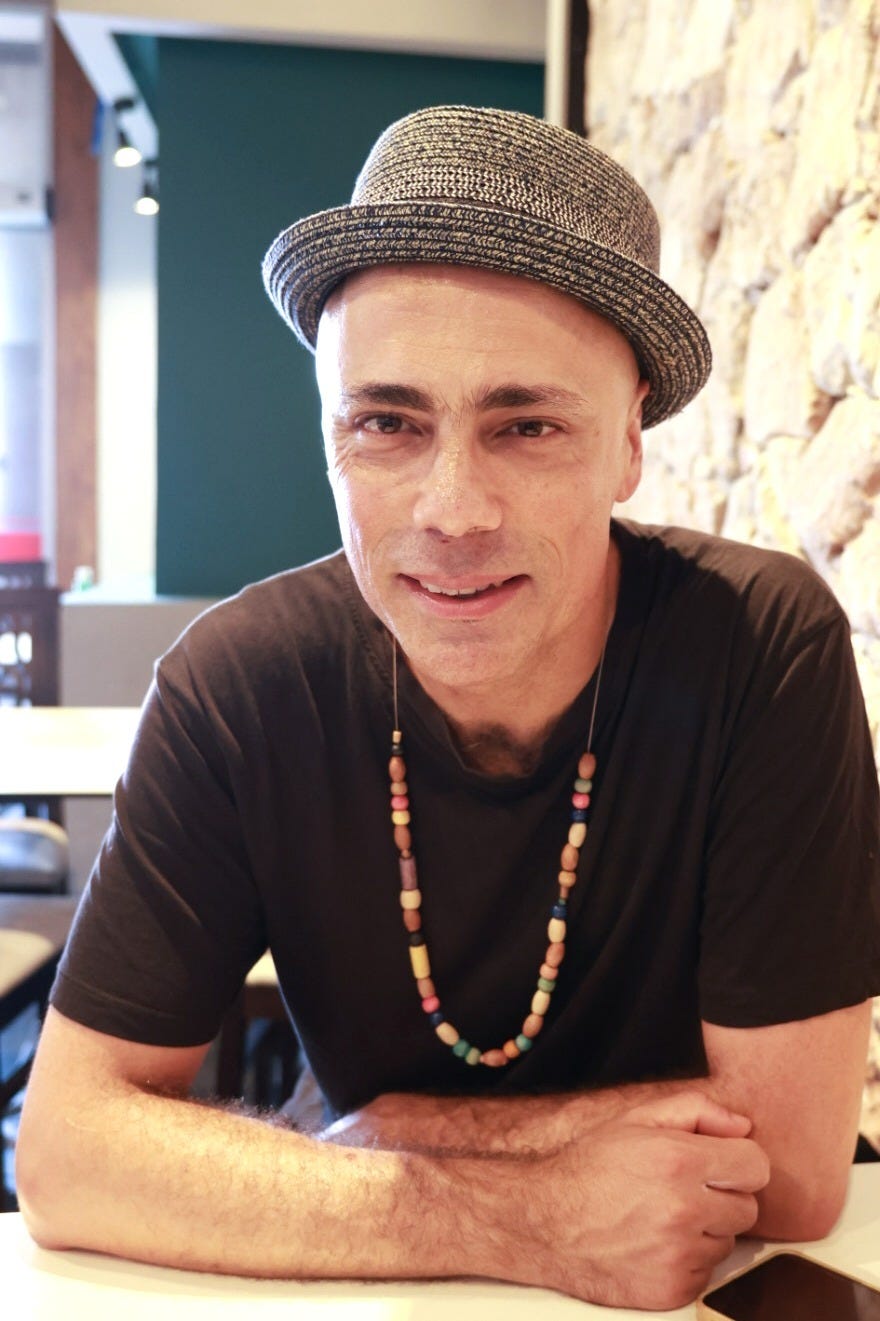
I’ve known Steve for over 25 years. Today, beyond capturing a few photos, I wanted to sit down and record a deeper conversation with the man behind the persona—because with Steve, there is always far more than meets the eye.
We grabbed a table at Papa’s Restaurant in Siġġiewi Pjazza. Over an Americano for me and a cappuccino for Steve, with only an hour to spare, I fired off my first question: “How do you balance wearing a mankini in an Adult Panto with wanting to make a serious impact on society?”
For comedian, writer, and director Steve Hili, the answer is simple: silliness isn’t an escape from reality—it’s a lens to examine it. This was our starting point for a wide-ranging conversation touching on free speech, political “whataboutism,” stage fright, and men’s mental health. Steve offers a surprisingly grounded philosophy on what it means to make people laugh in an increasingly absurd world.
1. Free Speech and the “Don’t Be a Dick” Doctrine
In an era dominated by culture-war discourse, Steve occupies a nuanced middle ground. He firmly rejects the idea that comedy is under siege, but he equally dismisses the notion that comedians can hide behind jokes to escape consequences.
“I think you can say whatever you want, but also I think everything has a consequence,” Steve explains. “I can’t come here and say that Sergio committed a crime because that’s a lie, and then hide behind, ‘Oh, I was just joking,’ right?”
I nodded in agreement. To Steve, comedy is inherently self-disclosing. What a comedian puts on stage directly reflects their internal worldview—unless, as he quickly adds, they’re stealing material, in which case they’ve surrendered their credibility anyway.
When it comes to modern social awareness, he offers a refreshing, simplified defense of being “woke”:
“Lots of people nowadays attack the world for being very woke. I think being woke is actually quite a good thing... My definition of being woke is: don’t be a dick. Really, that’s kind of it.”
2. Influences: From Chappelle’s Social Satire to Mayall’s Puerile Energy
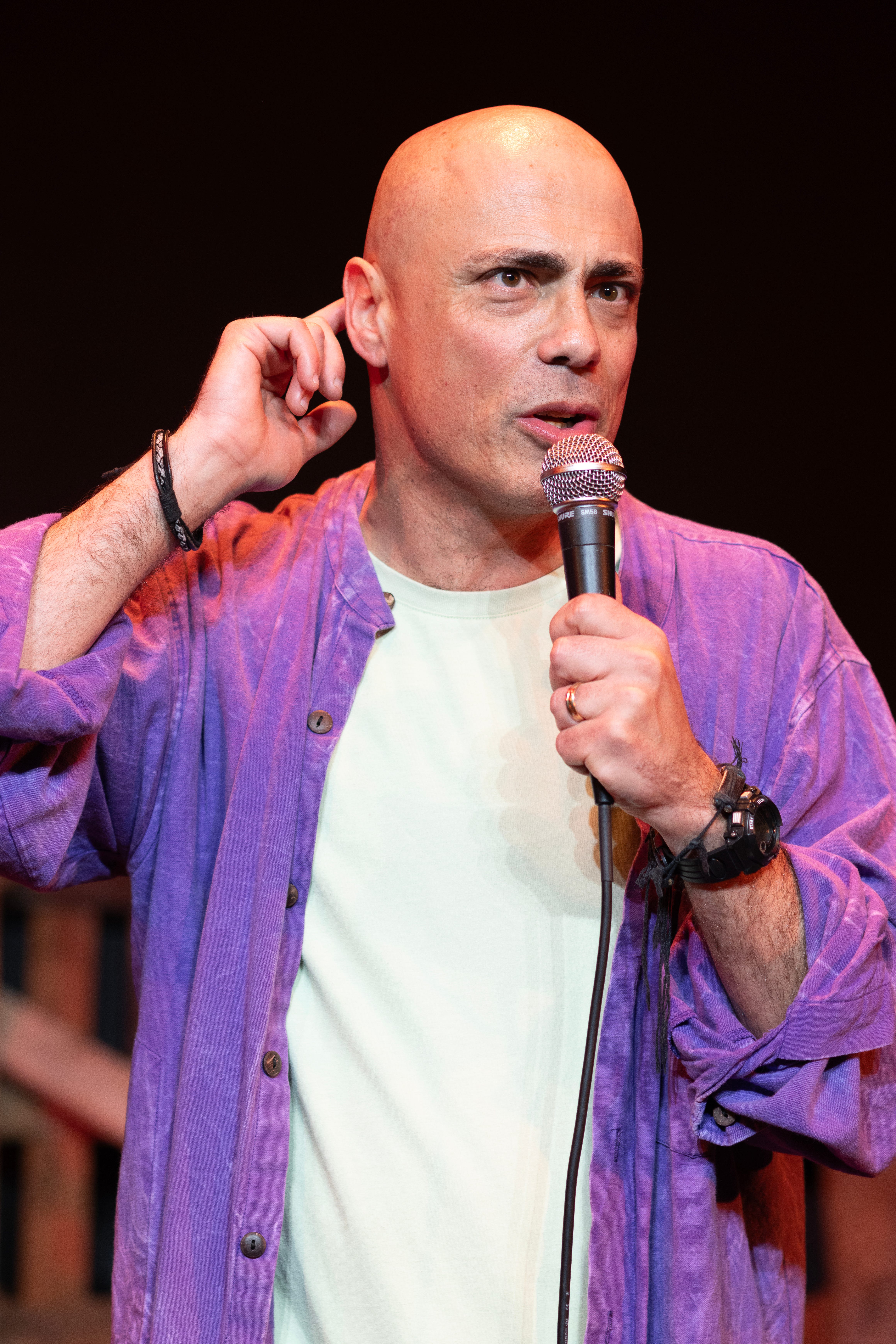
Have you ever been to one of Steve’s adult pantos or a show he has written or directed? If not, you are truly missing out. Having photographed almost every one of Steve’s productions since the very first adult panto, I regularly find myself having to lower my camera because I am laughing so hard my eyes are watering.
Steve’s unique style—a blend of sharp social commentary and unapologetically childish physical comedy—mirrors his own comedic heroes. When reflecting on the performers who shaped his taste, two figures stand out: Dave Chappelle and the late British comic actor Rik Mayall.
“I love Dave Chappelle,” Steve says. He admires Chappelle’s fearless approach and believes that no subject should be off-limits.
On the other end of the spectrum is Rik Mayall, the wild, energetic pioneer of British alternative comedy best known for The Young Ones and Bottom. Having spent part of his childhood in England immersed in British television, Mayall’s chaotic, larger-than-life performance style helped legitimize the idea for Steve that being childish on stage isn’t just fun—it’s an art form.
3. Punching Up, Puerile Humour, and the First Rule of Comedy
Steve embraces his taste for silly, physical humour. While he loves a good sex joke, he attributes that preference partly to a strict Catholic upbringing and being “obsessed with wanting a girlfriend at 16.” Yet Steve remains adamant that even when poking fun, he maintains a ethical boundary regarding power dynamics:
“Punching down is when the subject of the joke is someone who is in a position of less power than you... I prefer my punchlines to be about people who are in positions of power.”
Whether he’s addressing migrant issues or local politics, the core rule remains unchanged. “If you’re a comedian, the first rule, forgetting everything else, is: is the joke funny?” Steve says. “Then you can decide: does it fit my worldview?”
This balance of ridiculousness and social commentary was front and centre in his show Politically Erect, which featured sock puppets engaged in explicit acts with politician characters during an election campaign:
“People watching this are laughing because it’s ridiculous—they’re seeing a sock puppet and an actor doing ridiculous things on stage. But really, what is underneath here? A very cutting message of basically the construction industry and a politician being in bed with each other.”
I challenge anyone—especially those fiercely loyal to one political party or another—to attend one of Steve’s shows. Stepping out of the theatre afterward is a true test of whether you are as open-minded about politics as you think.
Lately, Steve has shifted from producing the adult panto to a new confession show, Naughty Malta, which uses humour to strip away intimacy taboos:
“We laugh not at it being x-rated. We laugh at the fact that sometimes sex is funny.”
With a smile, he adds: “Laughter breaks down a lot of barriers.”
4. The Stage, the Craft, and the British Circuit
Transitioning between different performing environments revealed stark differences in crowd dynamics for Steve—particularly when comparing Maltese audiences with those in the UK.
While Maltese crowds are generally eager to laugh and engage, English audiences present a tougher room. “In England, it’s almost like people will fold their arms, sit back, and be like, ‘Okay, make me laugh.’ You have to prove yourself very quickly.”
He admits to early missteps when starting on the UK circuit, notably making excuses to avoid four-hour drives to tough gigs. Looking back, he views those hard rooms as essential training grounds:
“If you just go on stage, you say your jokes, everyone laughs, and everyone goes home, you haven’t learnt really a lot. The harder shows make you a better comedian.”
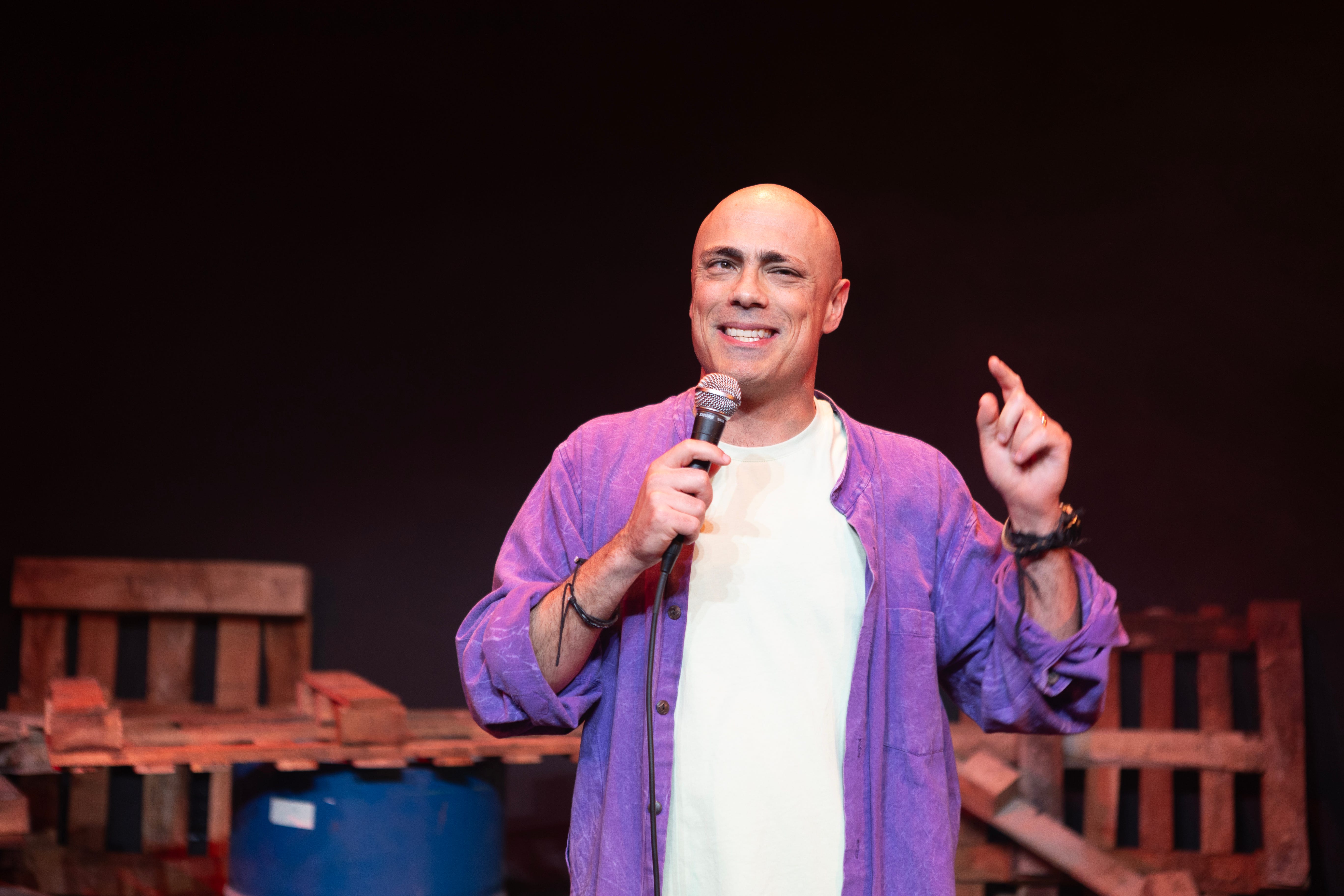
Off-stage, Steve describes himself as far less intense than his stage persona. “Steve Hili on stage is maybe like Steve Hili in real life times five—it’s me, but bigger.” And while solo stand-up brings intense pre-show tension—because “there’s nowhere to hide”—it also delivers an unmatched high once the room settles:
“Once you get the first laugh, everything kind of fades away. It feels like the audience is in your hand... That feeling is great. It’s very addictive. That’s why people keep doing it.”
5. Facing Offense, Death Threats, and Thick Skins
I asked Steve a question I often ask myself: how does he handle audience backlash?
Steve looked at me, shook his head, and made it clear that he is unbothered by general offense. “Everyone has the right to be offended,” he says. “If I’m comfortable with what I’m saying, if you get offended, I don’t really mind.”
He then shared an experience where he received a death threat from an audience member in a London club over a self-deprecating story about having an asthma attack during an intimate moment. The patron incorrectly assumed the joke was mocking asthmatics rather than Steve’s own panicking.
Despite the threat, Steve refused to cut the bit:
“Nobody should bully me not to say a joke that I’m happy saying.”
At the same time, Steve rejects the bravado that many performers put on regarding criticism. “I am not as thick-skinned as I make out to be,” he admits candidly. While he ignores bad-faith complaints, feedback from people he respects hits home. “If it’s correct criticism, then you think, ‘Ah, shit, this guy’s got a point. Okay, so I could have done that better.’”
6. Media, Mischief, and Radio as a Companion
It was time to discuss a chapter we both shared: radio. While I eventually stepped back to focus on photography, Steve continued working across various stations. He remains very opinionated about the state of radio in Malta, describing a landscape crippled by caution and commercial fear.
With streaming services rendering traditional radio obsolete for basic music playback or traffic updates, Steve argues that radio’s true value lies in personality and companionship:
“What is the point of me listening to a radio station just so I can hear some songs and somebody telling me what the time is...? It’s boring. I don’t need radio for that... Traditional media needs to be a little bit more mischievous.”
He recalls running segments like “Destruction Tuesdays” on XFM—where listeners submitted gifts from ex-partners to be smashed live on air—as examples of the playful, unpredictable energy radio currently lacks:
“If people are tuning in because they’re like, ‘I want to see what this guy’s saying because he really annoys me,’ that’s kind of fine—and you need to keep the annoyed people annoyed so that they keep coming back.”
7. The State of the Nation: A Country at 12 Years Old
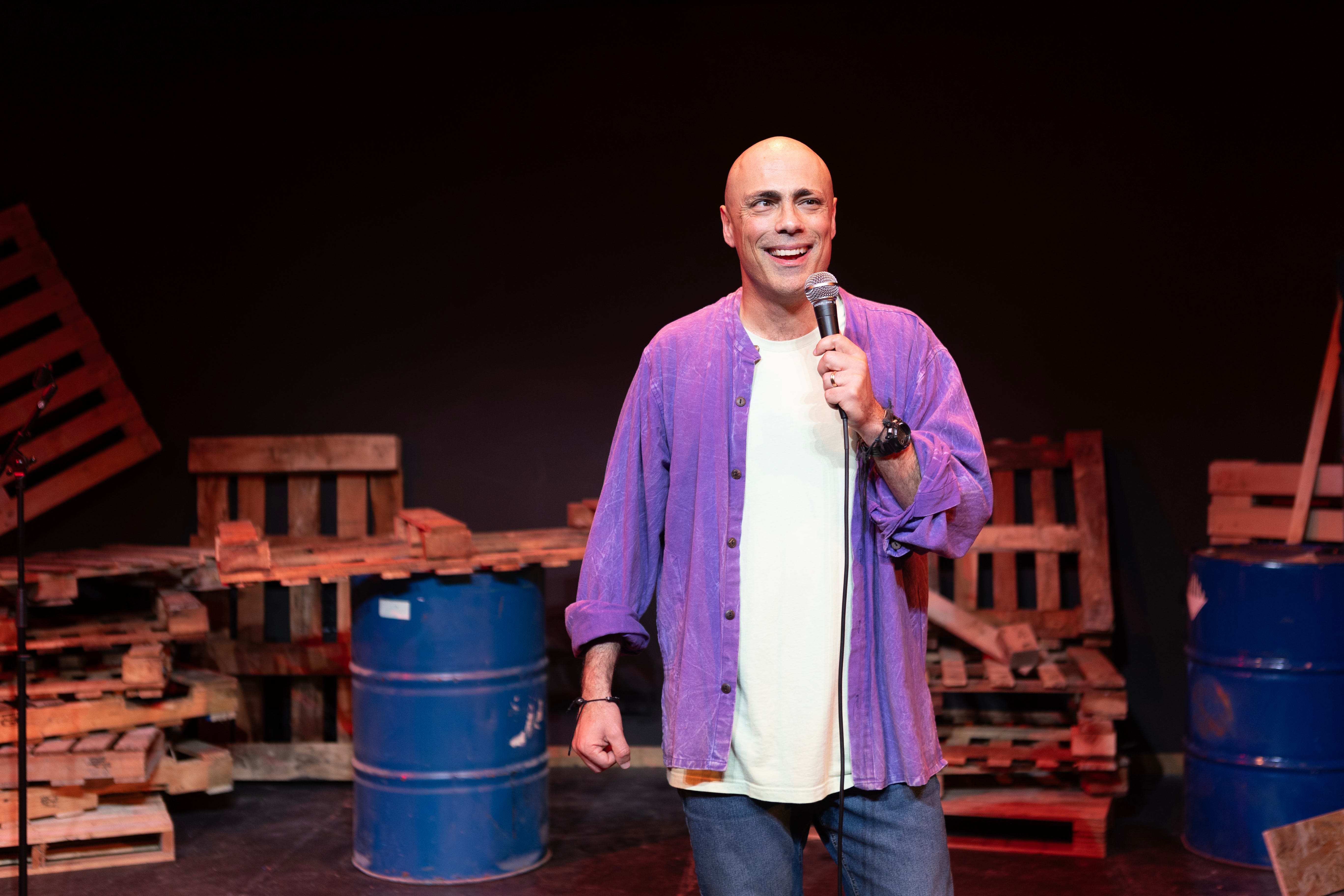
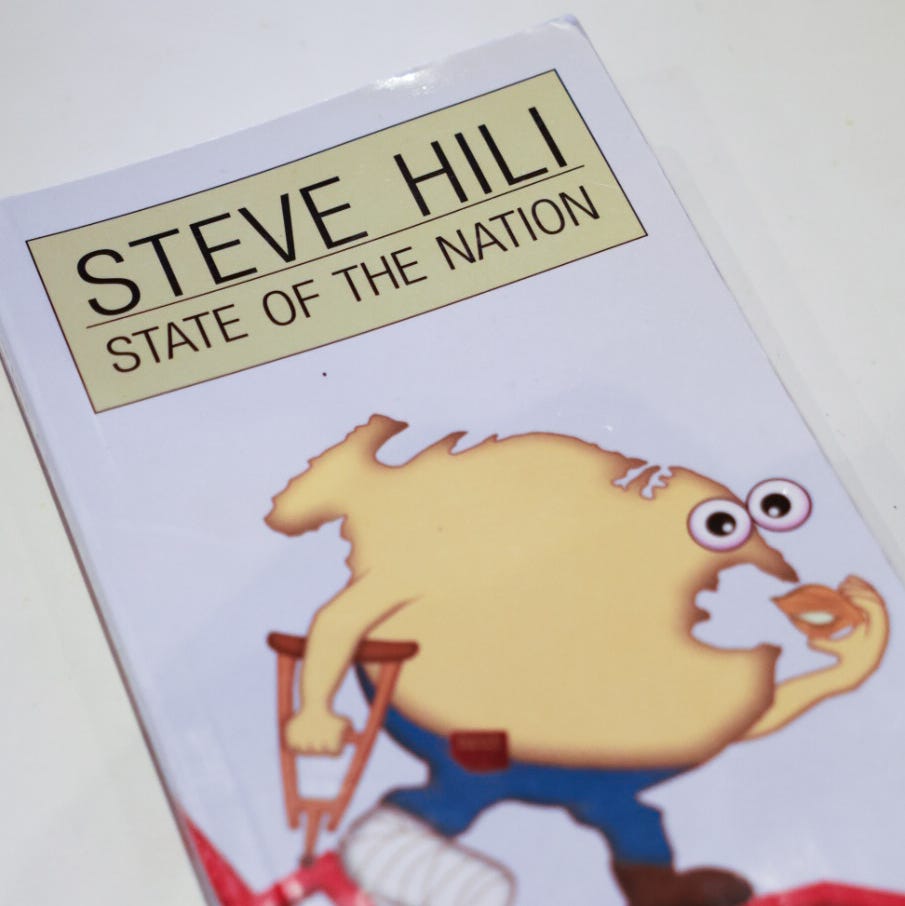
When I asked Steve what he would focus on if he were to rewrite his book State of the Nation today, he placed his hands behind his head and frowned. Unlike his quick, direct responses to earlier questions, he paused, exhaled, and explained that his primary target would be collective national immaturity, political tribalism, and the public’s misunderstanding of freedom of speech.
He pointed out a glaring cultural hypocrisy: Maltese citizens will freely criticize local issues, but instantly react with intense defensiveness if a tourist makes the exact same observation.
“If something bad happens, we’re allowed to say it’s bad. But if a foreigner mentions that they were here on holiday and there was a power cut, we go back to defending it... It feels like as a country, we haven’t grown up.”
Comparing public discourse in Malta to the reactionary nature of social media, Steve notes:
“Malta is a nation where sometimes we feel like we’re 12 years old... everybody feels very tribal, but nobody is mature enough.”
This political tribalism leads directly to “whataboutism,” where real domestic challenges like power outages are dismissed simply because the opposing political party previously faced similar issues.
Yet, when asked about Malta’s greatest strength—after jokingly offering “pastizzi tal-piżelli”—Steve points to the very thing that can heal this divide: community spirit.
“I think a blind spot that we’re not seeing is that this sense of community should actually reach out and utilize new arrivals... If we manage to integrate them more into our community, as a community we could become unstoppable.”
8. Mental Health, Catholic Guilt, and the Power of Humour
Behind the fast-paced comedy is a deliberate effort to manage personal health and family life. Steve regularly sees a therapist, noting that “mental health is part of health,” and actively protects weekly family rituals—like Saturday afternoon sofa naps with his child—to stay grounded.
He also acknowledges the invisible pressure involved in creative production, where his wife serves as an essential partner through the entire process:
“Nobody sees the suffering that you get to to get to that final product... My wife suffers with me through the whole thing.”
Unlearning a deep-seated “Catholic guilt”—the nagging sensation that taking a day off work is somehow wrong—remains an ongoing battle. But a heightened awareness of mortality has pushed him to prioritize downtime and holistic well-being.
This commitment to mental health led Steve to shave his head to raise funds for men’s mental health initiatives. For him, humour is one of the most effective tools for breaking through male isolation:
“Humour is a way of opening doors for everything and for everyone... A simple funny meme to a mate you haven’t seen for a long time—that’s a way of reaching out, starting a conversation, and starting the process of looking after guys.”
And with that, it was time to wrap up the interview; the hour had flown by. I took a few final shots of Steve, and we agreed to meet again in the future for another round. Walking back to my car, I realized that the Steve many people know—the man in the mankini, the provocateur, the comedian—is only one part of the picture. Behind the laughter is someone constantly reflecting on responsibility, community, mental health, and the strange contradictions of modern life. Whether on stage or off it, Steve Hili remains exactly what good comedians have always been: sharp observers of the human condition.
Thank you for reading. If you enjoyed this reflection, consider subscribing for future posts exploring photography, life, and the stories behind the moments we often take for granted.
---
About the Author
Sergio Morana is an educator, photographer and writer based in Malta. Through photography and writing, he explores life’s meaningful moments, personal growth, and the stories that connect us.
📷 Photography: Holy Communions • Confirmations • Portraits • Family Sessions • Events
You can also read: Best Coffee with a View in Malta: My Search for the Perfect Café

Wow 💯 let’s connect now 🫱🏻🫲🏼❤️🔥