

After finishing my interview with Steve Hili, I found myself thinking about where I wanted to go next.
I did not want these interviews to become a simple question-and-answer series about people’s hobbies, favourite foods or other things we can easily find online. My conversation with Steve had taken us into much deeper territory. We spoke about comedy, satire, tribalism and the way we behave towards one another.
When the interview ended, one question kept nagging at me:
Where are we heading as a society?
It is a question I have been thinking about for quite some time.
We are more connected than ever, yet many people seem lonelier. We have access to more information than any previous generation, yet we sometimes appear less willing to listen to each other. We can communicate with hundreds of people through a screen while struggling to have a proper conversation with the person sitting next to us.
I decided to continue exploring this question with someone who has journeyed alongside me through life for the past 26 years: Fr Karm Debattista.
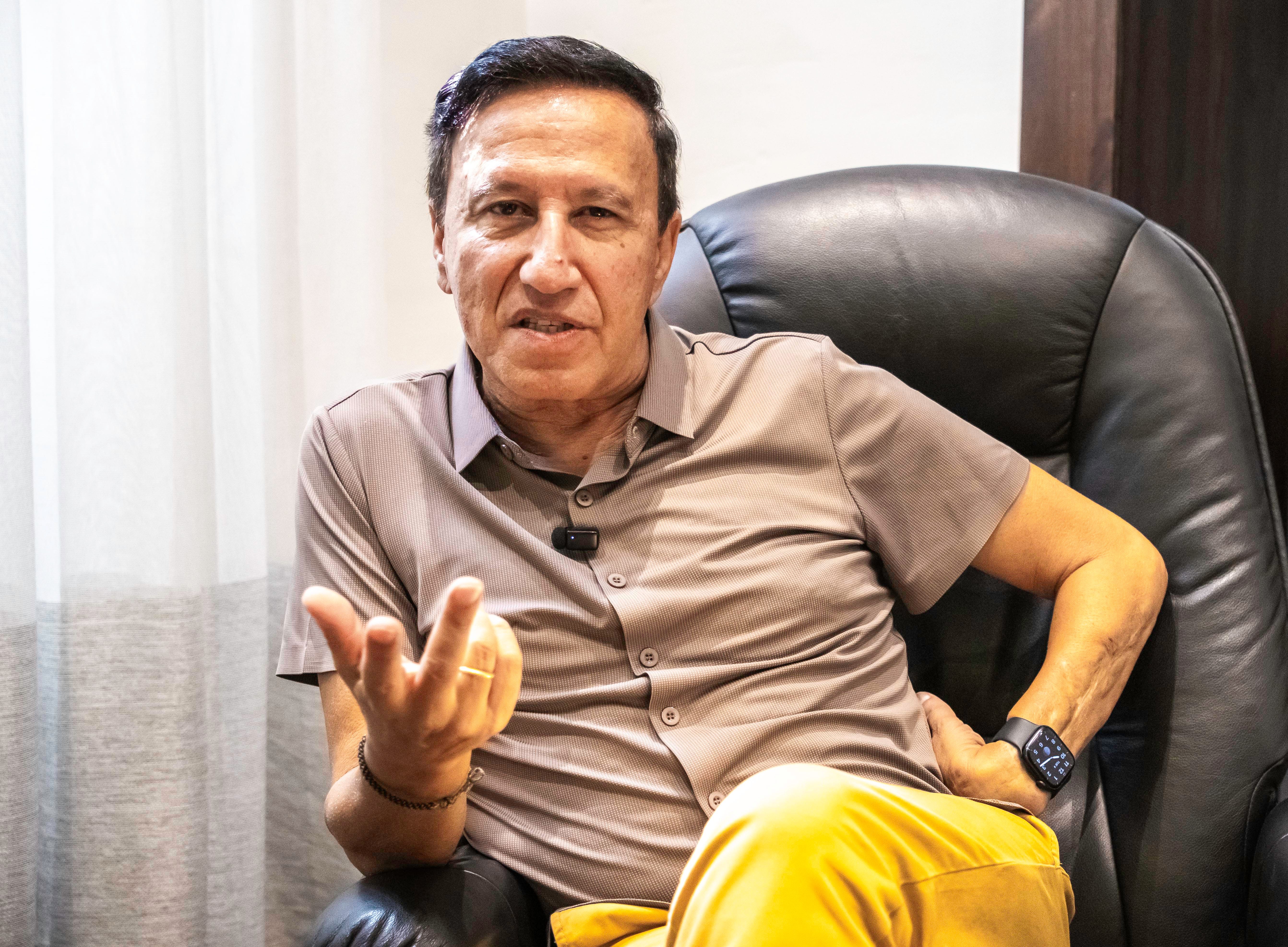
Fr Karm is an MSSP priest, a musician and one of the coolest people I know. At the same time, he is a man of great depth, with a profound perspective on life.
We spent around 90 minutes talking. Naturally, music came up. So did Malta, young people, social media, loneliness, faith, criticism and God. As often happens in a good conversation, one subject simply led us to another.
Fr. Karm recently turned 65, but slowing down does not seem to be part of his plans. What struck me most during our conversation was his sense of hope. He still believes deeply in people and in our ability to grow, change and become better.
Perhaps that is what made him the right person for this next conversation.
We met at St. Joseph’s House, where he currently lives, and I began with something close to his heart: music.

The Story Behind Arise, My Beloved
I asked Fr. Karm about his latest release and whether the way he creates music today is different from how he worked twenty years ago.
“The new song is called Arise, My Beloved,” he told me. “For years, I wanted to write something based on the Song of Songs in the Bible. It’s a beautiful, poetic book that speaks about love between the lover and the beloved—or God and the true inner self, what we traditionally call the soul.”
He then stopped to explain what he meant by the word soul.
“When we speak about the soul, it isn’t about separating body and soul into two opposite things. St. Paul talks about three parts: body, soul and spirit. The soul is simply the real me—the inner person God sees, not the surface ego we show the world.”
I was also curious about how technology, particularly AI, had changed his creative process. Fr. Karm admits that, in this respect, he is still rather old-school.
“Today you have AI that can generate a full track in five minutes. While I might occasionally ask AI for cover art ideas, I still compose the traditional way. I sit down for days writing lyrics, building the melody and recording every instrument and voice one by one. There’s a human labour of love in that.”
And perhaps that is what has always characterised his music. It has never been about producing something as quickly as possible. His music comes from experience, faith, travel and the different stages of his life.
From The Beatles to Pakistan
Fr. Karm’s musical journey goes back more than five decades.
“I wrote my first song at 15, back in the early 70s, heavily influenced by The Beatles,” he recalled. “Later, when I joined the MSSP, I studied classical music and began writing for two-part male choirs.”
But his years abroad would change his music in ways he could never have expected.
“Living in Pakistan for six years completely blew my mind musically. Hearing eastern modes and melodies opened up an entirely new world of sound. It changed my ear forever.”
That experience eventually led to his first major album, Fittixtek, recorded during a brief trip back to Malta. Later, an appearance on Xarabank in the late 1990s, where he performed live, introduced his music to a much wider Maltese audience and earned him three Malta Music Award nominations.
I then asked him a question which, as I expected, was not particularly easy to answer.
Which of his songs was his favourite?
He laughed.
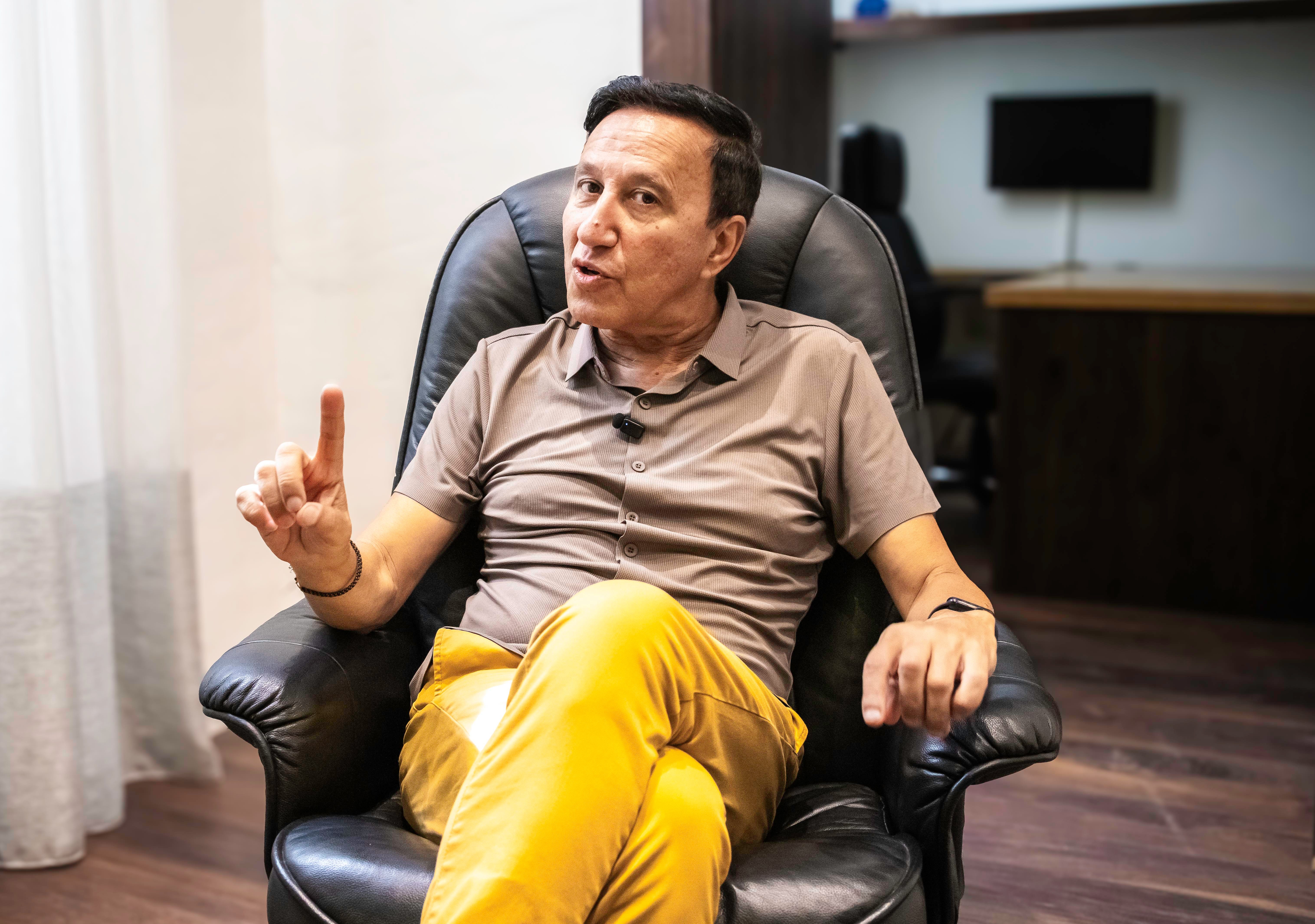
“You have two kids, Sergio! If I ask which one you love more, you wouldn’t answer, and you’d be right. They all have a story.”
Still, he admitted that a few songs hold a particularly special place in his heart.
Oħloq Tbissima, recorded with the National Orchestra and arranged alongside the late Mro Aurelio Belli, is one of them. Then there is Armonia, a Christmas carol from his first album which seems to find its way back into the local charts every December.
Another is Psalm 28, an unreleased track which he considers one of his most personal compositions.
But our conversation was about to move away from music and into something that had been on my mind since the Steve Hili interview.
What kind of society are we becoming?
Are We Still Acting Like a 12-Year-Old Nation?
During my conversation with Steve, we spoke about Malta sometimes behaving like a 12-year-old nation—quick to judge, deeply tribal and always ready to attack someone online.
I asked Fr. Karm whether he sees the same thing.
“I see it all the time, especially on social media,” he said. “People react immediately without thinking things through. They see an issue from one narrow angle and treat their own opinion as the absolute truth. It hurts to watch because there’s so little deep reflection.”
As someone who has worked with young people for many years, he also sees how early some of these attitudes can begin.
“I can sit with 11-year-old students and hear them repeat harsh political or social views. They aren’t expressing their own thoughts; they are just repeating what they heard at the dinner table. We pass down our narrow views to the next generation.”
Yet he does see something positive in the Malta of today. Our growing multicultural society, he believes, could help us move beyond some of our small-island mentality—if we are willing to listen.
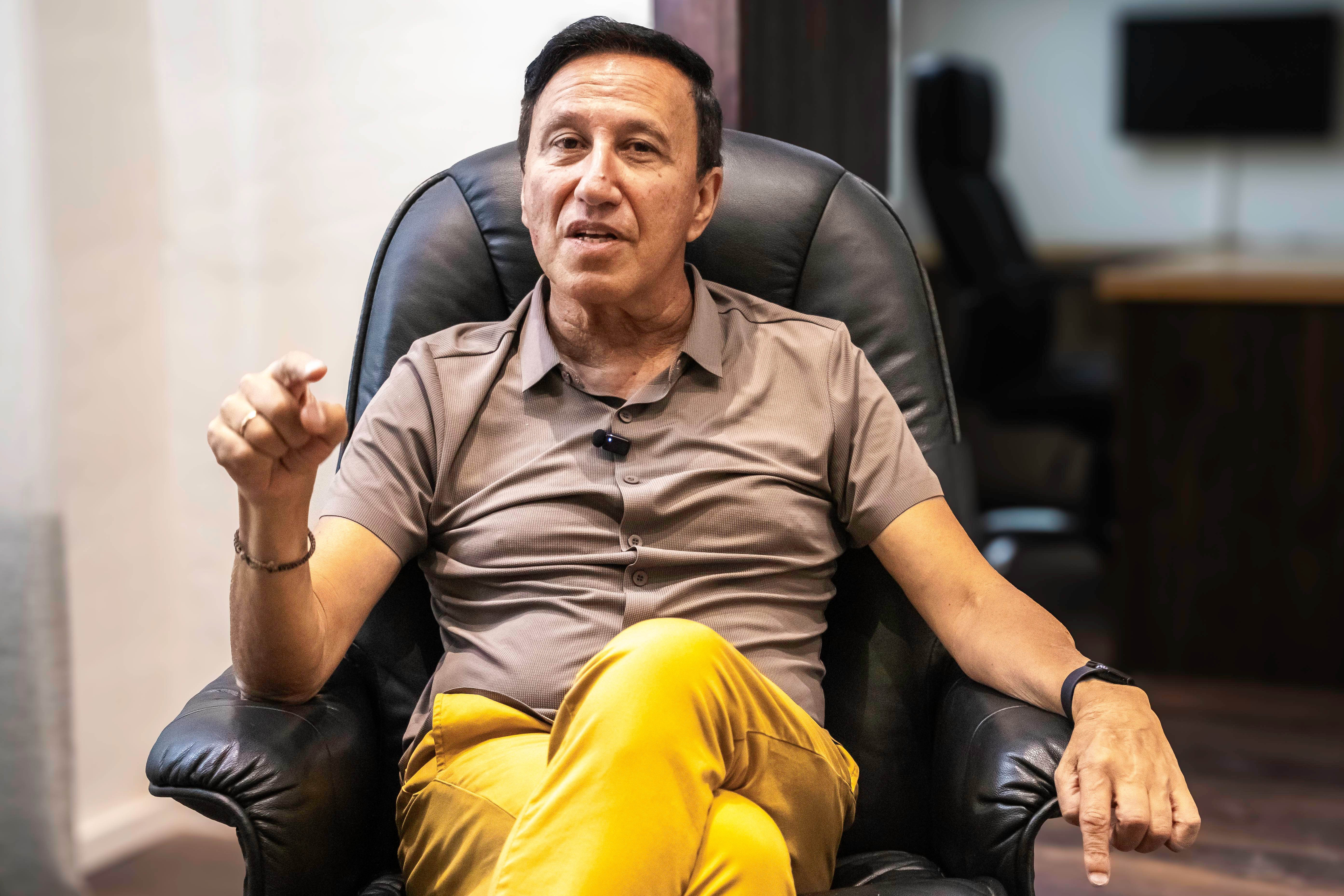
“Foreigners coming to live here force us to sit down with different cultures and perspectives. If we are open to listening, they can help widen our view and break us out of this small-island mentality.”
That word—listening—would come up several times during our conversation.
The Lost Ability to Stop
We live in a noisy world. There is always something happening. A notification. A message. A video. An opinion. Someone demanding our attention.
So I asked Fr. Karm a simple question: how do we learn to stop?
“Listening is the hardest thing for human beings to do,” he said. “In Jewish tradition, the central prayer begins with Shema Yisrael—Hear, O Israel. Why is the first commandment to listen? Because by nature, we don’t want to listen. But listening is the only way you grow intellectually and spiritually.”
He believes that we have also lost the ability to be alone with ourselves.
“We have lost the ability to be quiet with ourselves, to sit still and do nothing. Spiritual traditions have taught this for centuries: stop, reflect and learn from life rather than just reacting to it.”
He told me about something he used to say when visiting primary schools.
“I would tell seven-year-old kids: ‘Find a quiet spot at home for seven minutes every day. Tell your parents you are doing nothing—not even praying—just sitting quietly.’”
He smiled before adding:
“If we trained children to do that early on, our society would look completely different today.”
I found myself thinking about that afterwards. Seven minutes. No phone. No television. No music. No scrolling. No need to be productive.
Just sitting with yourself.
Perhaps we would find that more difficult than we think.
Growing Up in a Different Malta
Fr. Karm was born in 1961 and grew up in a Malta very different from the one we know today.
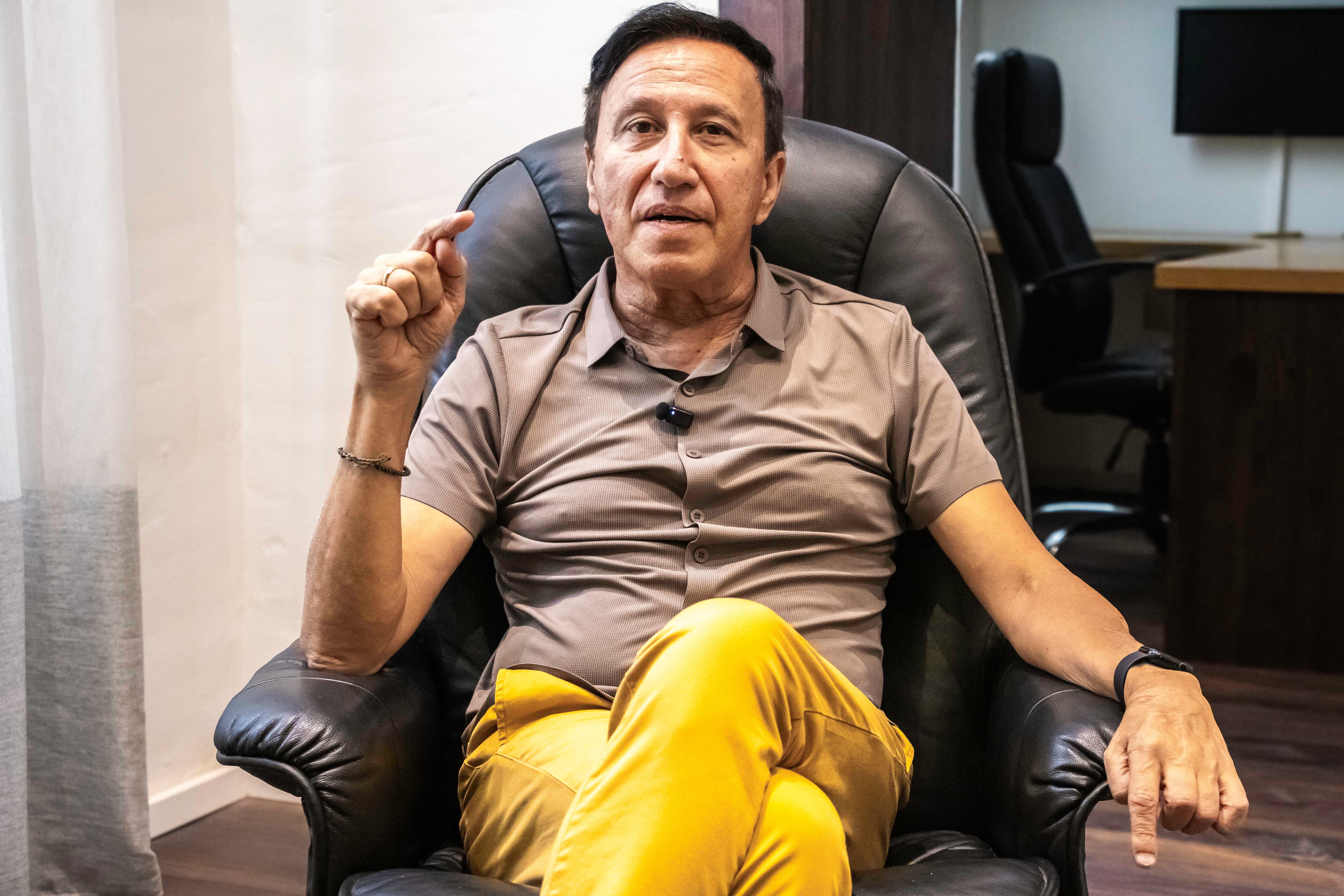
“We were poor, but everyone was in the same boat,” he told me. “The only real window to the outside world back then was the Rediffusion speaker on the kitchen wall, playing the Ave Maria at 6:00 AM. Then came Italian television, which introduced an entire generation to a new language and culture.”
It would be easy to turn such memories into a nostalgic argument that everything was somehow better in the past. But Fr. Karm does not see it that way.
In fact, when I asked him about young people today, his answer surprised me.
“I am actually much happier with how young people think today compared to my generation,” he said. “Young people today are honest. They tell you what they think, even if it feels blunt.”
He contrasted this with the generation he grew up in.
“In the past, we were raised to put on a persona—a Greek word that literally means a stage mask. We pretended everything was fine when it wasn’t. Today’s youth have dropped the mask, and I admire that freedom.”
It was an interesting observation.
We often complain about young people being too outspoken, too sensitive or too different from previous generations. Fr. Karm sees something else. He sees a generation more willing to say what they feel and less willing to pretend.
Of course, this does not mean that everything about modern life is better. Like most things, there is a price to pay for every change.
But perhaps we should be careful before automatically assuming that the past was wiser simply because it was the past.

Where Is God?
At this point, I wanted to move towards another question.
Many people today are moving away from organised religion. Churches are no longer the centre of community life they once were, particularly for younger generations.
So where does Fr. Karm see God at work today?
His answer was immediate.
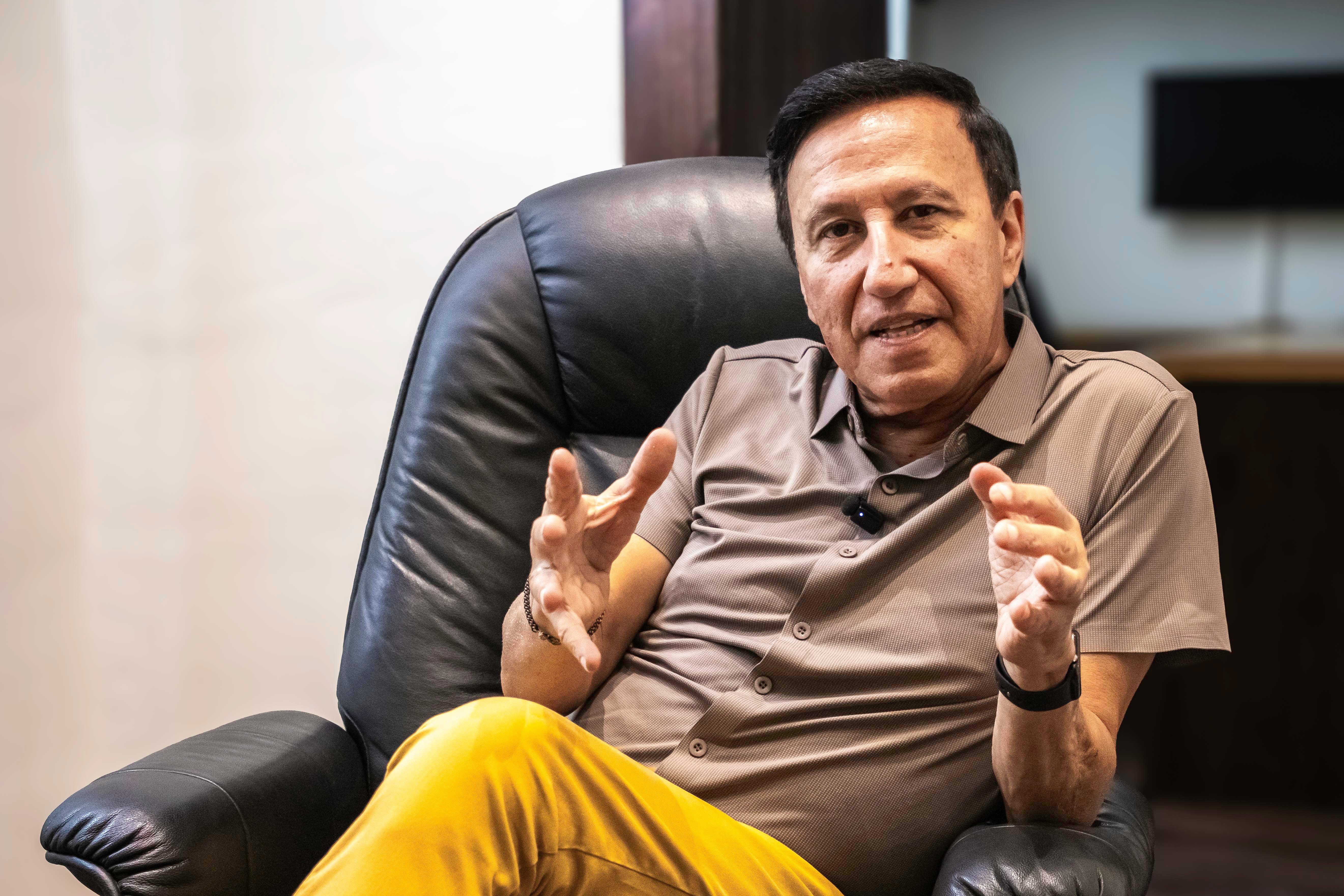
“Honestly? God often operates much better outside the Church than inside it.”
I have to admit that I did not expect him to put it quite so directly.
He explained:
“Too often, religious systems create endless rules that make people feel inadequate, as if God’s love is something you have to earn. So, people give up and say, ‘This isn’t for me.’”
He recalled the late Italian Cardinal Carlo Maria Martini, who spoke about the possibility that young people moving away from the Church might not necessarily be entirely negative if it meant they were escaping a punitive image of God.
For Fr. Karm, being a good person cannot simply be measured by how often someone goes to church.
“What makes a good person isn’t simply going to church on Sunday. It’s the capacity to love, show compassion and care for others. I know people who go to church every week who are bitter, and I know people who never step inside a church who live deeply generous, loving lives.”
It is a simple point, but perhaps one that is sometimes forgotten.
Faith, he seems to be saying, should make us more loving. If it does not, then perhaps we need to ask ourselves what exactly we are practising.
Criticism, Social Media and Keeping Your Peace
Putting yourself out into the world, whether through music, preaching, writing or simply expressing an opinion, will inevitably bring criticism.
As someone who has released music and shared his thoughts publicly for many years, Fr. Karm knows this well.
I asked him how he deals with it.
“You have to learn the difference between constructive feedback and empty noise,” he said. “If criticism comes from a good place or highlights a genuine mistake, I take it on board. But if it’s just hostility online, you can’t let it settle inside you.”
That, of course, is often easier said than done.
But Fr. Karm believes that knowing yourself is essential.
“If you anchor yourself in quiet prayer and self-awareness every day, other people’s opinions won’t shake your core identity.”
Again, we came back to silence. To reflection. To knowing who you are before the world tells you who you should be.
We Need Each Other
Towards the end of our conversation, we returned to something that, for me, connected many of the things we had discussed.
Community.
We spoke about loneliness and the strange contradiction of living in a world where we are constantly connected but often feel more alone than ever.
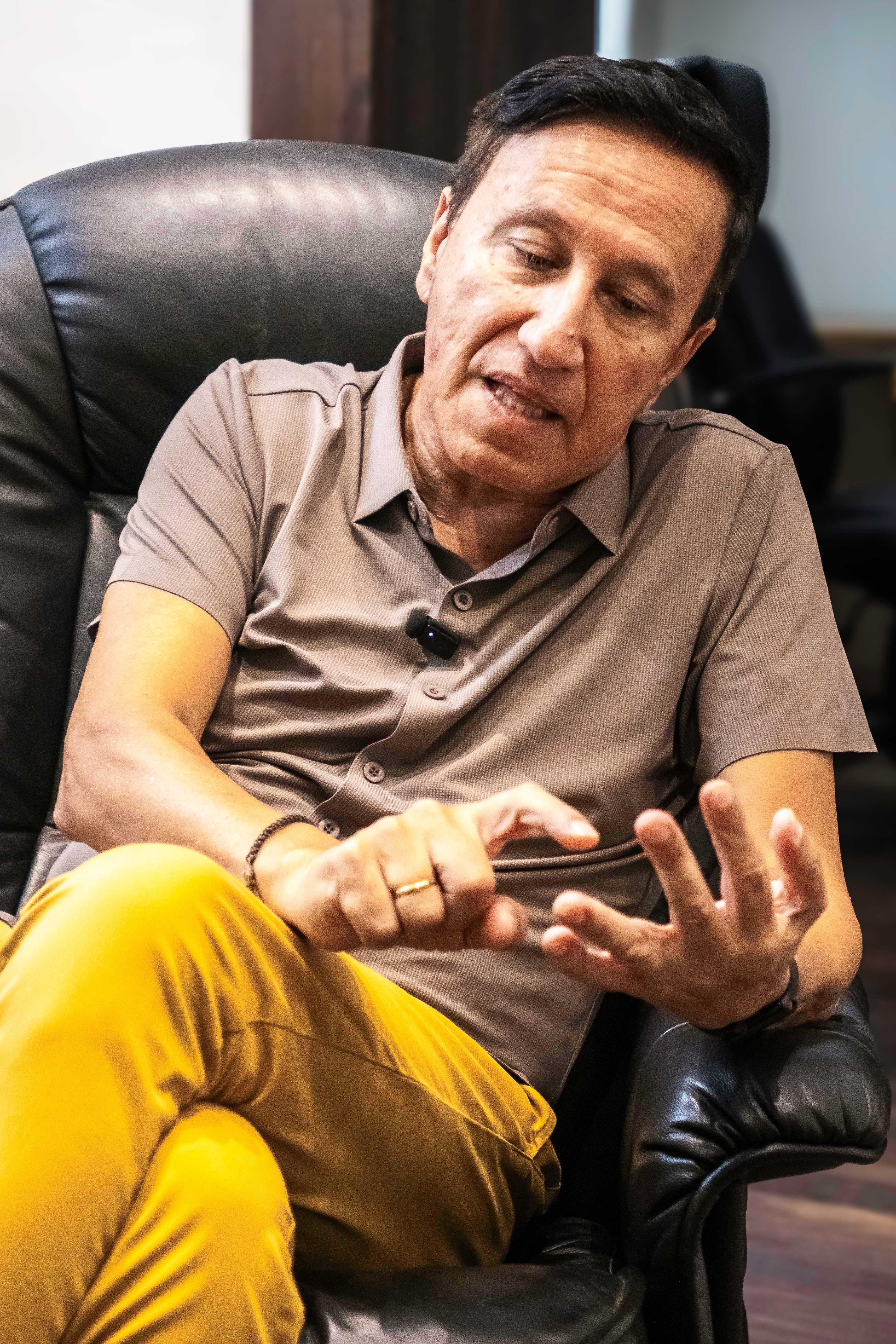
“Loneliness today isn’t just about being physically alone; it’s a lack of meaningful connection,” Fr. Karm said. “We can have thousands of followers online and still have no one to turn to when life gets tough.”
For him, rebuilding community is not some grand political project. It begins with much simpler things.
Being honest with one another.
Making space for people to talk about their struggles without being judged.
Welcoming newcomers instead of treating them as strangers.
Choosing, whenever possible, real human presence over another message on a screen.
“At the end of the day,” he told me, “whether through music, faith or a simple conversation over coffee, our ultimate goal is the same: to remind each other that we aren’t walking through this world alone.”
After our 90-minute conversation came to an end, I reflected on what we had discussed.
We spoke about music. We spoke about Malta, God, young people, social media, criticism and loneliness. On the surface, these may seem like completely different subjects.
But underneath them all was the same idea. We need to learn to listen: to those who think differently, to the people sitting beside us, and to ourselves. Perhaps we also need to create moments of silence and listen to what silence has to tell us.
In a world that never seems to stop talking, there may be something important waiting for us when we finally become quiet.
Thank you for reading. If you enjoyed this reflection, consider subscribing for future posts exploring photography, life, and the stories behind the moments we often take for granted.
---
About the Author
Sergio Morana is an educator, photographer and writer based in Malta. Through photography and writing, he explores life’s meaningful moments, personal growth, and the stories that connect us.
📷 Photography: Holy Communions • Confirmations • Portraits • Family Sessions • Events